





Specific Fellowship Program Aims
- To produce cognitively and procedurally competent gastroenterologists/hepatologists who will provide comprehensive, evidence-based care to patients with all types of gastrointestinal and liver diseases through competency-based training across the spectrum of clinical environments by faculty with extensive experience and focused areas of expertise.
- To create a learning environment that is respectful, supportive, engaged, and vibrant so that teaching and learning are continuously renewable sources of inspiration for trainees, faculty, staff, and patients.
- To create and maintain a culture of inquiry and provide the resources and support for trainees and faculty to expand and disseminate the art and science of gastroenterology and hepatology.
- To support trainee career development through opportunities for personalized training pathways (as defined by sub-specialty clinical focus or research career development) coupled with dedicated mentorship and career guidance.
Program Mission
The focus of our program is to educate trainees to become:
- Compassionate gastroenterologists who provide exceptional, patient-centered care and possess the cognitive, technical, and interpersonal skills necessary to diagnose and treat gastrointestinal and liver diseases.
- Engaged educators who are committed to teaching and mentoring future trainees, students, and colleagues while advancing excellence in gastroenterology and hepatology education.
- Inquisitive investigators who contribute to the advancement of scientific knowledge through research, scholarship, and innovation that improves the care of patients with gastrointestinal and liver diseases.
Educational Highlights
- The UW Division of Gastroenterology provides the highest quality patient care for a wide spectrum of gastrointestinal and liver diseases. Faculty in our 5 teaching hospitals possess both depth and expertise in a variety of disorders, including inflammatory bowel diseases, functional bowel disease, motility, nutrition, liver transplantation and diseases, bone marrow transplantation, and cancer of the gastrointestinal tract. Our many innovative and pioneering clinical research programs enable our patients to access highly promising treatment protocols. The Division’s research activities span a wide range of topics, from basic scientific principles to clinical studies and epidemiologic inquiries. We have specialized programs in carcinogenesis and molecular genetics, clinical trials in inflammatory bowel disease, molecular biology, bioengineering, cell biology, molecular microbiology, epidemiology, health services research, and outcomes research.
- Our faculty members are well represented in national and international leadership positions. A number of our faculty members also serve in advisory, consulting, and decision-making positions in various learned societies, including the American Gastroenterological Association, the American College of Gastroenterology, the American Association for the Study of Liver Diseases, and the National Institutes of Health. They have also been the recipients of prestigious awards and have received national recognition for their work.
- The UW Division of Gastroenterology has a thriving and extensive network of highly rewarding affiliations and relationships with health care providers throughout the Pacific Northwest and states that comprise the WWAMI region (Washington, Wyoming, Alaska, Montana, and Idaho). It operates under the auspices of the Department of Medicine in the School of Medicine, University of Washington, which is affiliated with several excellent teaching hospitals, each with its own unique characteristics and strengths: University of Washington Medical Center, Harborview Medical Center, VA Puget Sound Health Care System, and Fred Hutchinson Cancer Research Center. The breadth and depth of these teaching hospitals, with their outstanding faculty members, offer an unparalleled environment and patient population for highly qualified and motivated trainees.
- Each teaching hospital has progressively grown, catering to the highest standards of patient care and teaching. There have been major expansions and changes within the VA Puget Sound Health Care System. Harborview Medical Center has seen substantial extensions of its patient care, research, and training facilities. The Fred Hutchinson Cancer Research Center (FHCC) continues to experience a unique, dynamic evolution with expansion of research enterprise over time. The FHCC offers patients with cancers a multi-disciplinary, state-of-the-art facility staffed by experienced and highly recognized personnel. These resources allow the Gastroenterology Fellowship Program to provide the most up-to-date, multi-disciplinary approaches for the education of fellows in the management of gastrointestinal and liver disorders. Gastroenterologists, hepatologists, surgeons, radiologists, and pathologists all operate as a team to provide state-of-the-art care to patients.
Program Highlights
Three different fellowship training tracks
- Three-Year Clinician–Teacher Track
- Four-Year Physician–Scientist Track
- Three-Year Dual Gastroenterology/Transplant Hepatology Track
Learn about each specific pathway:
Three-Year Clinician-Teacher
The Clinician-Teacher Pathway is a three-year program in clinical gastroenterology and hepatology. The emphasis is on excellence in patient care, teaching, and clinical research. All fellows on this pathway will have both general gastroenterology rotations in our core hospitals and clinical rotations in advanced hepatology, liver transplantation, management of GI and hepatic issues in oncology patients, and an introduction to interventional endoscopy. Fellows will attend weekly outpatient clinics in general gastroenterology and in several specialty areas. All fellows must choose a faculty preceptor for longitudinal clinical research projects that continue through the third year. It has been our experience that fellows on the Clinician-Teacher pathway often diverge in their interests after the start of fellowship. The faculty will offer selected fellows advanced training in hepatology and therapeutic endoscopy, endoscopic ultrasound, laser endoscopy, and other specialized endoscopic techniques. The faculty will also make available a curriculum designed to prepare fellows for careers in medical education. This curriculum involves instruction in clinical research, study design, quality improvement, oral presentation, academic writing, and teaching methods. Selection for advanced training is based on mutuality of interest and performance early in fellowship. This pathway is congruent with the Clinical Track of the National Resident Matching Program (NRMP) and prepares fellows for careers in academia or in private practice.
Four-Year Physician-Scientist
The Physician Scientist Pathway is intended for fellows who wish to develop skills that will enable them to become independent research investigators. This pathway requires a commitment to an extended period of fellowship, the majority of which will be spent learning research techniques. We offer training in five fields: carcinogenesis and molecular genetics; molecular biology and gene therapy; cell biology and biochemistry; molecular microbiology; and epidemiology and outcomes research. Trainees in the latter field will be jointly sponsored by the Division of Gastroenterology and the University's School of Public Health. Fellows on the Physician Scientist pathway will rotate through our core hospitals and have longitudinal outpatient clinic training to enable them to be fully trained as gastroenterology and hepatology consultants. This pathway is congruent with the Basic Science Research track of the National Resident Matching Program (NRMP) and is funded by a T32 training grant from the National Institutes of Health. Note: this usually requires 4 years of training.
Three-Year Dual Gastroenterology/Transplant Hepatology
We offer an ABIM/AASLD Pilot Program in Transplant Hepatology, which allows selected fellows who have completed 2 years of training in our GI Fellowship Program to enroll as a Transplant Hepatology Fellow in the third year of training. This alternative pathway is contingent on successful acquisition of ACGME milestones by the end of the second year, as determined by the Clinical Competency Committee of the Fellowship Program.
Additional Training Opportunities
We also offer a one-year ACGME-accredited fellowship in Transplant Hepatology and a fourth year of non-ACGME-accredited training in Advanced Endoscopy.
One-year ACGME-accredited fellowship in Transplant Hepatology
Learn more about our Transplant Hepatology Fellowship Program
A fourth year of non-ACGME-accredited training in Advanced Therapeutics Endoscopy
Learn more about our Advanced Therapeutics Endoscopy Fellowship Program
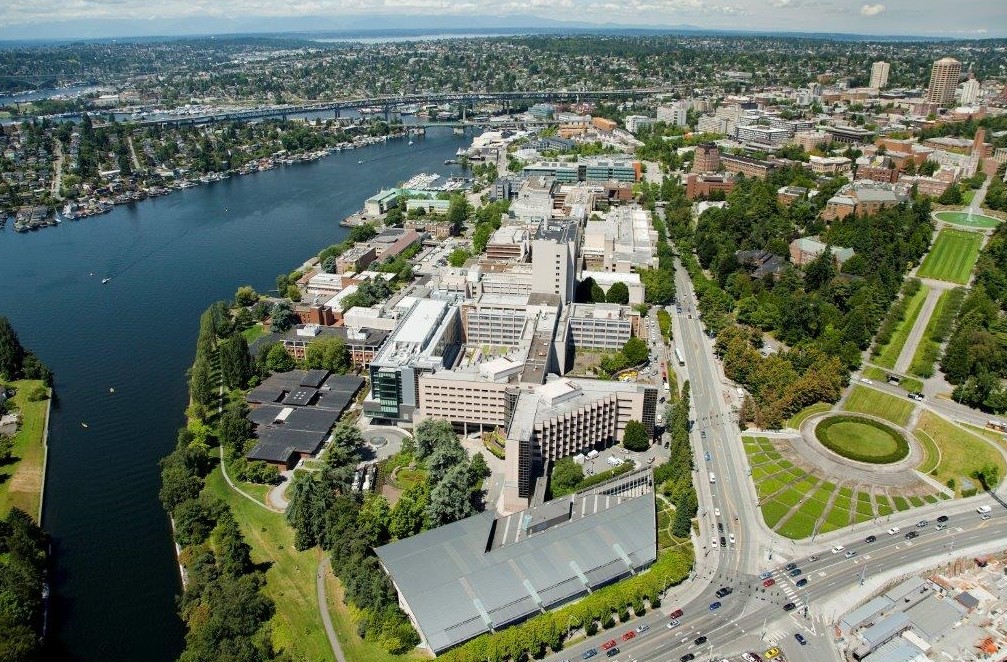
Five Unique Training Sites in the Seattle Area
We provide clinical and research training at five sites, each with its own Rotation Site Director.
Fellows regularly rotate through each of the training sites, which include a quaternary academic referral center, a Level I trauma center and community safety net hospital, a Veterans Affairs hospital, and a nationally ranked cancer care and research center, to provide exposure to the full breadth of gastroenterology and practice patterns that currently exist.
University of Washington Medical Center - Montlake
Digestive Health Center - Montlake
Eastside Specialty Center - Bellevue
Tertiary Medical Center - Referrals from WWAMI sites (Washington,
Wyoming, Alaska, Montana, Idaho), UW neighborhood clinics, and
community practices
• Liver Transplant Center
• Digestive Disease Center with Advanced Endoscopy Expertise
• Regional Center of Excellence in IBD
• Rotations in General GI, Hepatology, IBD/Motility/Nutrition, and
Therapeutic Endoscopy
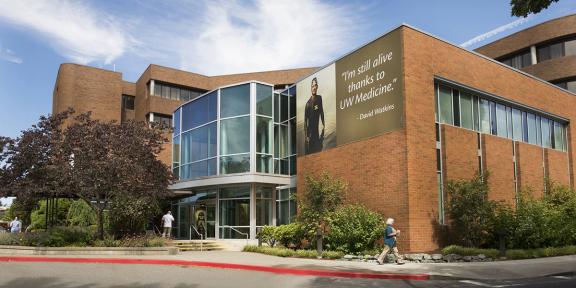
University of Washington Medical Center - Northwest
Outpatient Procedure Medical Center (OPMC)
• Diverse clinical experiences with dieticians, speech therapists,
radiology, colorectal surgery
• Dedicated motility training with independent interpretation
anorectal manometries and breath hydrogen tests
• Multiple opportunities every week for joining advanced therapeutic
endoscopic procedures
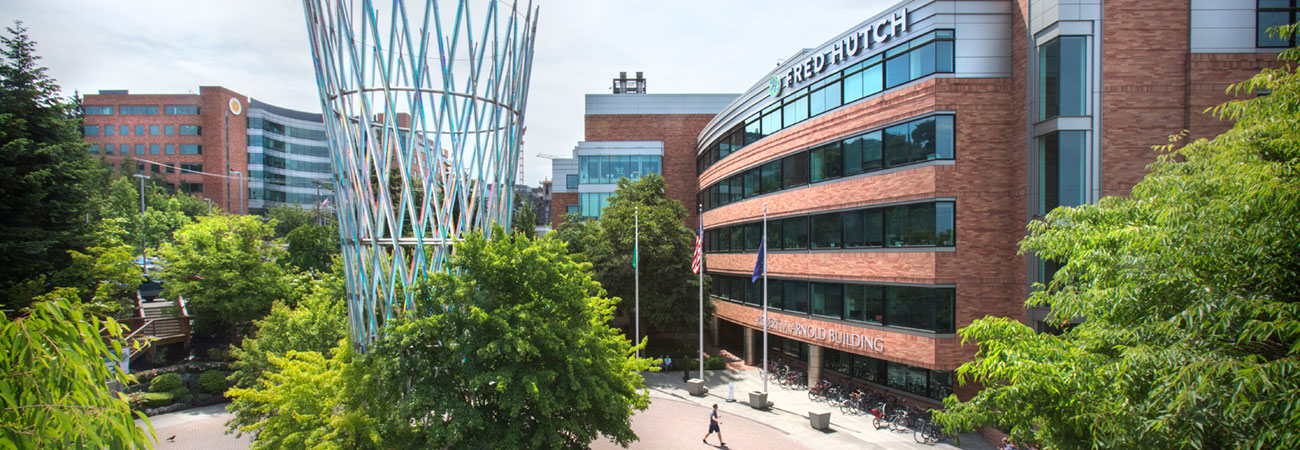
Fred Hutchinson Cancer Center - South Lake Union
• Clinical training in GI and Hepatology for patients undergoing
hematopoietic stem cell transplantation
• Specialized clinics: High-Risk GI Cancer Clinic, Multidisciplinary
Pancreatic Cancer Clinic, GI Oncology Clinics and Tumor Boards
Harborview Medical Center - Central District
• Only Level I Trauma Center in WWAMI region
• Busiest ER in Seattle
• High volumes of patients with GI bleeding, IBD, viral hepatitis,
alcoholic liver disease
• Diverse patients comprised of minority and immigrant patient
populations and varied socioeconomic backgrounds
• Rotations include General GI and Therapeutic procedures, e.g. ERCP
and EUS
VA Puget Sound Health Care System - Beacon Hill
• Largest VA Medical Center in WWAMI region
• Patients include women and younger veterans from Iraq and
Afghanistan wars
• Busy General GI and Hepatology Clinics
• Functional GI disorders related to PTSD, therapeutic endoscopy, and
nutrition
Curriculum
Our commitment to teaching encompasses educating medical students, residents, fellows, and fully trained physicians in practice. Our curriculum also offers training to holders of advanced degrees in the sciences (usually Ph.D. degrees in biologic sciences) who wish to pursue research that is relevant to gastrointestinal, pancreatic, and hepatobiliary medicine.
Our curriculum is largely based upon the Gastroenterology Core Curriculum developed by the major gastroenterology societies and is updated to reflect any changes in the core curriculum. The fellowship adheres to the program requirements of the ACGME as specified by the RRC for gastroenterology.
Core Skills
- Knowledge base of anatomy, physiology, nutrition, biochemistry, cell biology, genetics, and pharmacology that is relevant to the specialty
- Clinical care of hospitalized patients with disease
- Technical aspects of gastroenterology/hepatology practice; including endoscopic procedures
- Ambulatory care skills (including disease prevention and screening)
- Research training
- Ancillary skills geared to each trainee's career plans
Scholarly Projects
All trainees will participate in clinical research training to understand the process of generating new knowledge in Medicine. Trainees will work with one or more mentor(s) through their 3 to 5-year program to achieve a good grasp of addressing clinically relevant questions with scientific rigor and have firsthand experience in analyzing and presenting scientific data. Our program is committed to providing trainees with protected time to focus on a selected topic of special training on a rotational basis in all of our training sites.
All fellows participate in research regardless of which training pathway they choose.
-
The Physician-Scientist Pathway fellows participate in two years of formal research training, supported by the Division’s T32 GI training grant from the National Institutes of Health.
-
The Clinician Teacher Pathway fellows are provided with weekly academic half-days for scholarly activity and can request research months during their second and third years of training.
Scholarly activity is broadly defined and includes research projects, quality improvement/patient safety projects, and review papers/book chapters/editorials. Clinician-Teachers can participate in any or all of these activities as their interests develop, and all are considered equally meritorious for this purpose.
Our faculty meet with fellows monthly for workgroup sessions to help fellows troubleshoot and facilitate research. Fellows routinely present at the GI Division’s weekly conference and are encouraged to undertake a QI quality improvement project.
Specialized Training
Specialized areas of training embedded within the fellowship include:
-
GI Pathology – where trainees will learn the techniques of preparing tissue sections, special histochemical and immunocytochemical staining methods, and interpretation of morphological structures in various disease states.
-
GI Radiology – where trainees will learn the principles and methods of imaging, including abdominal plain films, ultrasonography, CT scans, MRI, and PET. They will study how to interpret imaging results with expert GI radiologists.
-
Specialized Clinics - where patients presenting with defined disorders are cared for by a focused and concentrated effort and expertise. These training scenarios afford unique opportunities to benefit the trainees in the following areas: Hepatology Liver Transplantation, Advanced Endoscopy, Inflammatory Bowel Disease, Functional GI and Motility Disorders, and Gastrointestinal Problems in Oncology Patients.
Levels of Training
Physicians who enter fellowship already have substantial knowledge in most of these areas that serves as a base for further learning. The fellowship in Gastroenterology has two levels of training, Level I for general gastroenterology and hepatology, and Level II for more complex and difficult diagnoses and procedures. Fellows progress to Level II training after demonstrating competence in general gastroenterology and hepatology.
Teaching
Fellows routinely interact with and teach medical students, internal medicine residents, and surgery residents on the inpatient and outpatient services. As third-years, fellows participate in the UW Medical School Gut Course, helping lead small group sessions for medical students.
Endoscopy Training
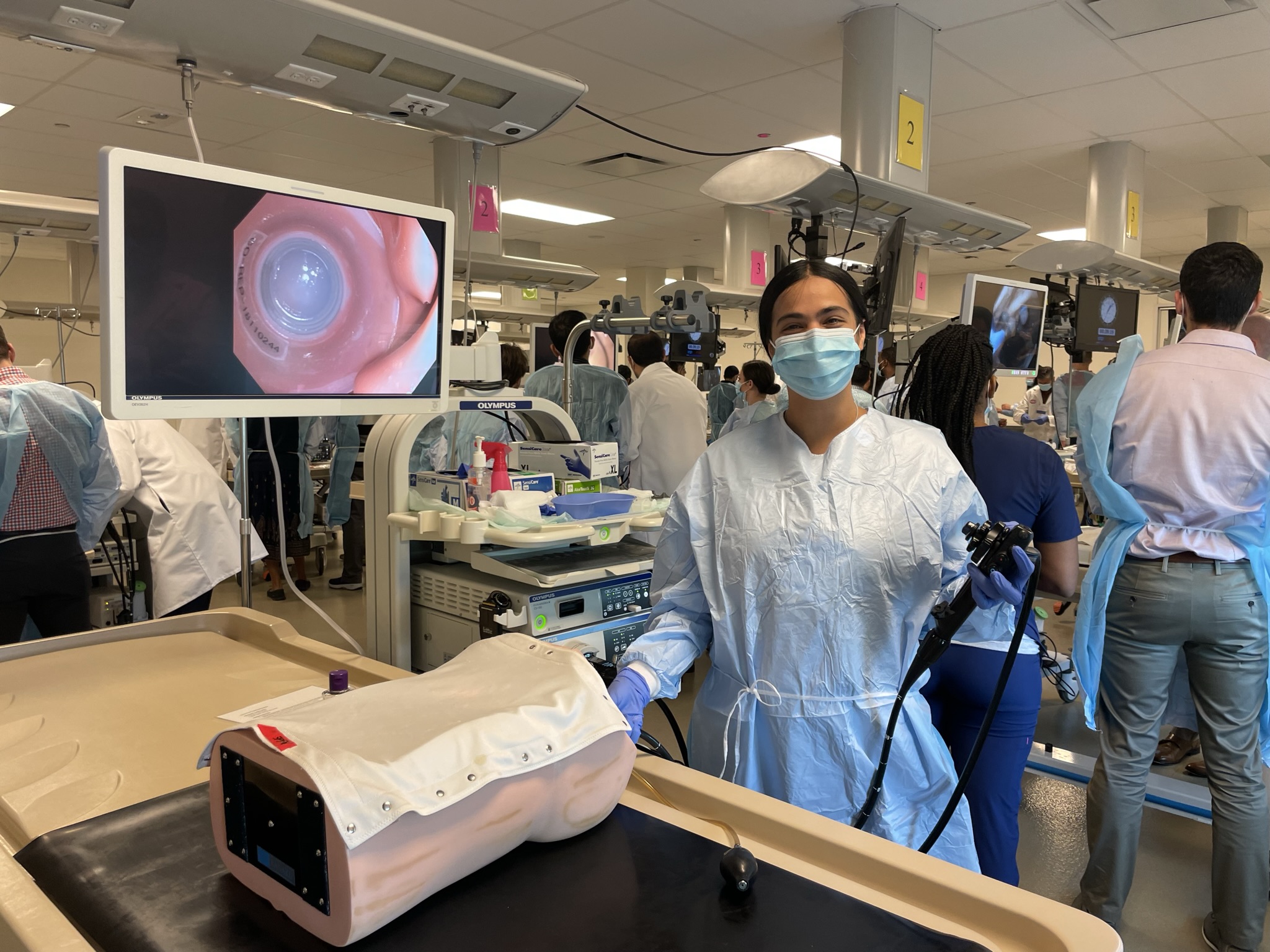
Endoscopy training starts during orientation when incoming fellows have the opportunity to practice on an endoscopic medical simulator. Fellows get their feet wet and start endoscopy on the first day of fellowship. They hone their skills via the American Society for Gastrointestinal Endoscopy (ASGE) course. This is a two-day course at the ASGE headquarters in Chicago, run by experienced faculty from around the country, focusing on hands-on training. Endoscopy skills are developed and consolidated throughout fellowship training. Senior fellows participate in advanced endoscopic procedures and rotate through high-volume ambulatory surgical centers.
Conferences
Fellows have protected time each Friday to attend the department’s Frontiers in Gastroenterology and Hepatology Conference. Each year begins with an “Emergency Lecture Series” that focuses on the basics in gastroenterology for the first-year GI fellows. As the year progresses, the focus shifts to the latest advances in gastroenterology and hepatology. Fellows frequently participate in the conferences, presenting morbidity, mortality, and management talks and journal article reviews. Prominent guest speakers give presentations quarterly. Fellows have the opportunity to share dinner with the speaker at a fellows-only event at a local restaurant the night before the conference.
Program Leadership
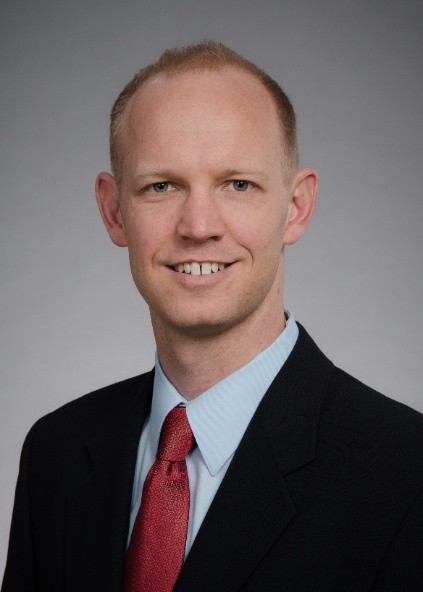
Clinical Professor of Medicine
Director, Gastroenterology Fellowship Program
UW Montlake Site Director
Professor of Clinical Practice
Associate Director, Gastroenterology Fellowship Program
UW Hepatology Site Director

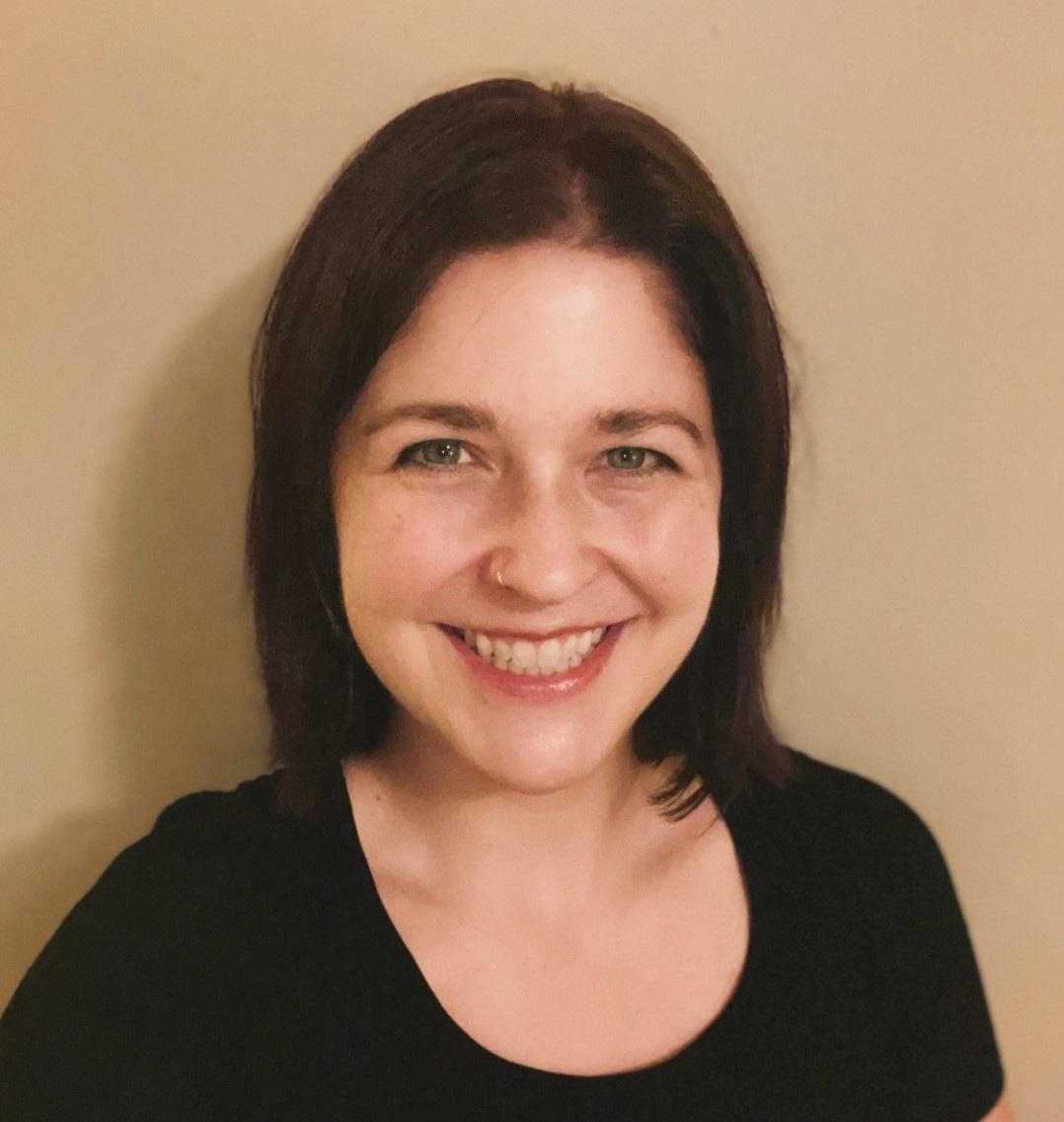
Fellow Testimonials
"I feel very well supported by this fellowship program and really appreciate how receptive and responsive the program leadership is to feedback from the fellows." -- Mitra Barahimi
"At UW I have been the recipient of excellent training in gastroenterology from physicians who are not only true experts in the field, but wonderful people who love what they do and work hard to ensure our fellowship is one of the best in the country." -- Joey Roberts
“I love working with the providers here including the attendings, co-fellows, and nursing staff. There’s also considerable breadth of training and I’ve particularly enjoyed my hepatology rotations, where we care fir and see patients spanning the entire temporal spectrum of liver diseases, from those with newly diagnosed liver disease to those several years post-OLT.” -- Philip Vutien